


A Copyright Pirate’s Life For Thee: What One Hidden Connection Links Journalism, Publishing & the Music Industry?
Journalism’s 2025 Napster Moment And A Proven Blueprint for IP Ownership & Monetisation.
Intro: A Tale of Two Industries
In 1999, Napster flipped the music industry upside down. Piracy exploded, CD sales tanked, and labels panicked – but music didn’t die, like everyone thought it would.
The industry adapted, embracing the internet and social media to turn a crisis into a cash-cow.
Journalism is facing its own Napster moment now: tech giants scrape copyrighted content and IP relentlessly to train its models. These AI models churn out exact copies and derivatives of creators’ work, and the writers and publishers – the original creators and owners – get nothing.
Where publishing ignored the rise of the internet; music capitalised on it.
Here’s how journalism can follow suit.

“Nobody wants to steal music. They just want it at a reasonable price.” – Steve Jobs
A Leaf from Music’s Playbook: Fight Smart, Win Big
When digital piracy peaked, the music industry didn’t flail and flop – well, not entirely. Eventually, executives got strategic.
Labels filed tactical lawsuits to pressure infringers not to win trials, but to secure back-dated settlements and royalty deals to allow future access (legal and comparatively cost-effective for prior infringers) to their various libraries and catalogues of music.
This became a useful tactic and was deployed for many years against a broad range of infringers, including YouTube, Roblox, and more (Billboard, 2016).
Pirates became partners: platforms paid for content and got legal access, artists earned royalties from a new distribution channel, and fans got affordable digital music at their fingertips.
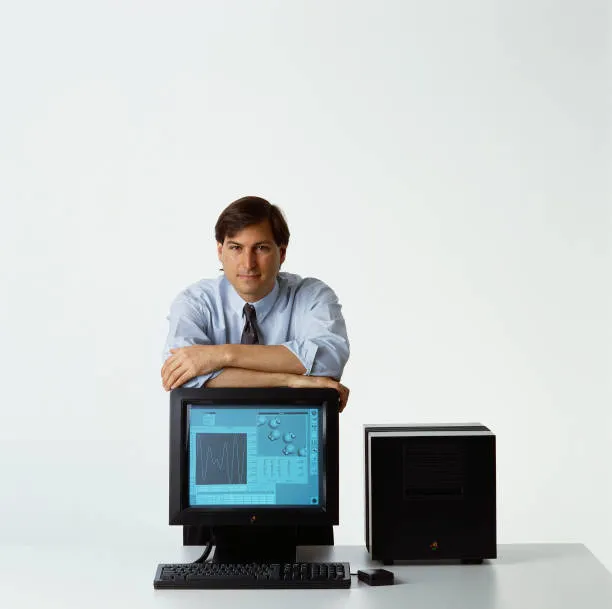
But in truth, this was not the music industry elites who orchestrated and drove all of this radical change. It was the innovative approach and radical determination from an industry outsider that made the music executives sit up and take notice.
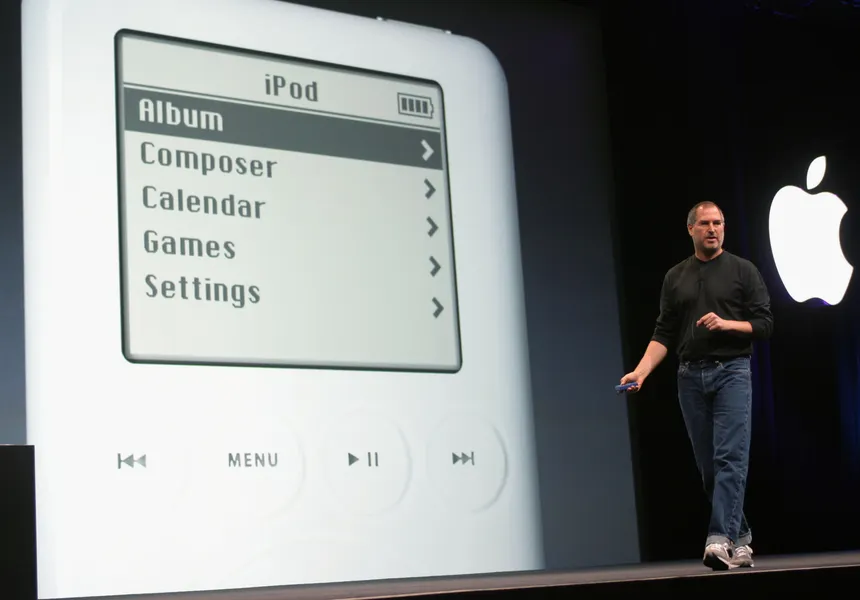
Steve Jobs and iTunes made buying simple at $0.99 a track (Rolling Stone, 2003), and less than five years later Spotify upped the ante, offering a $9.99/month subscription (Spotify Pitch Deck, 2008).
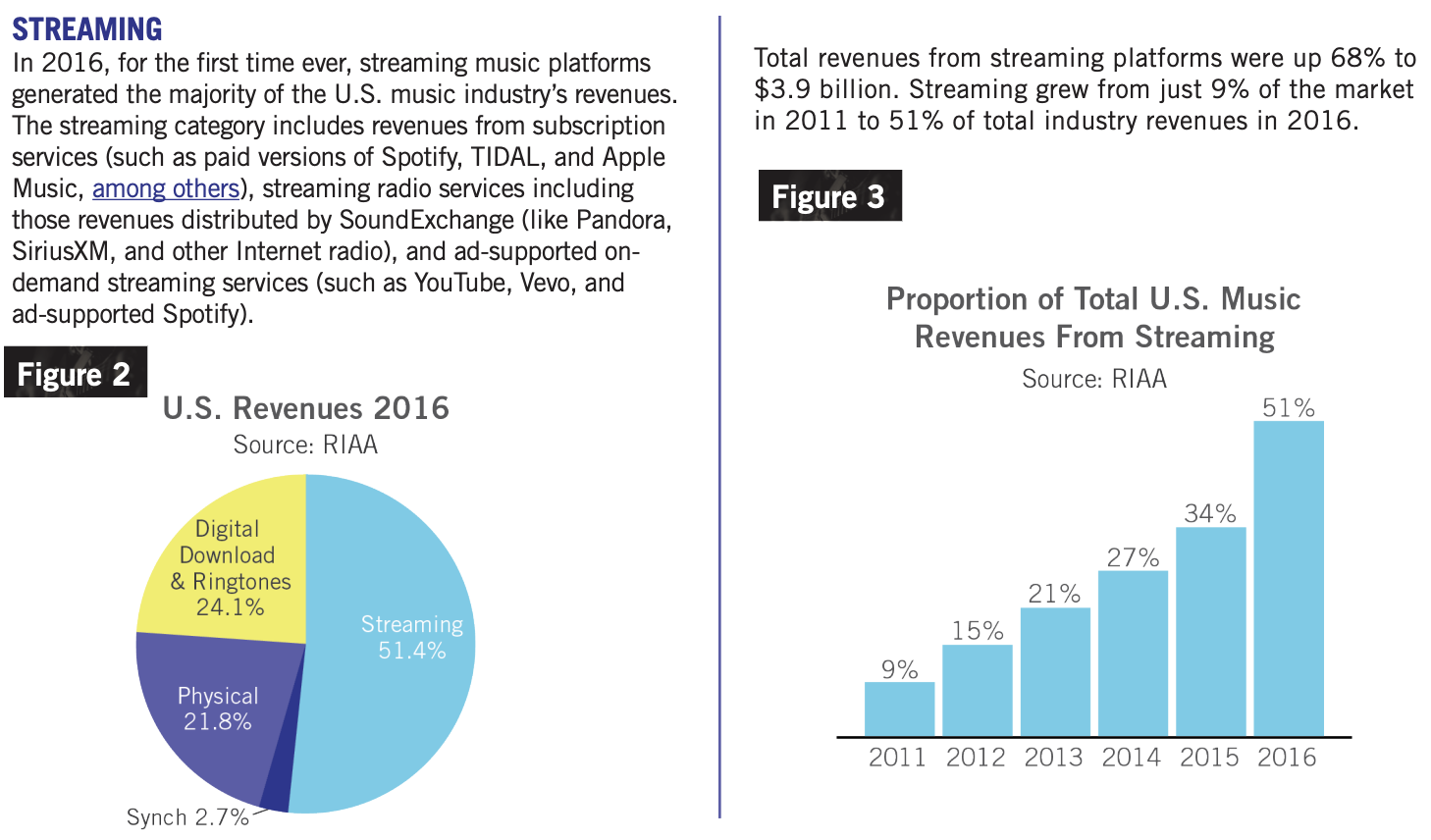
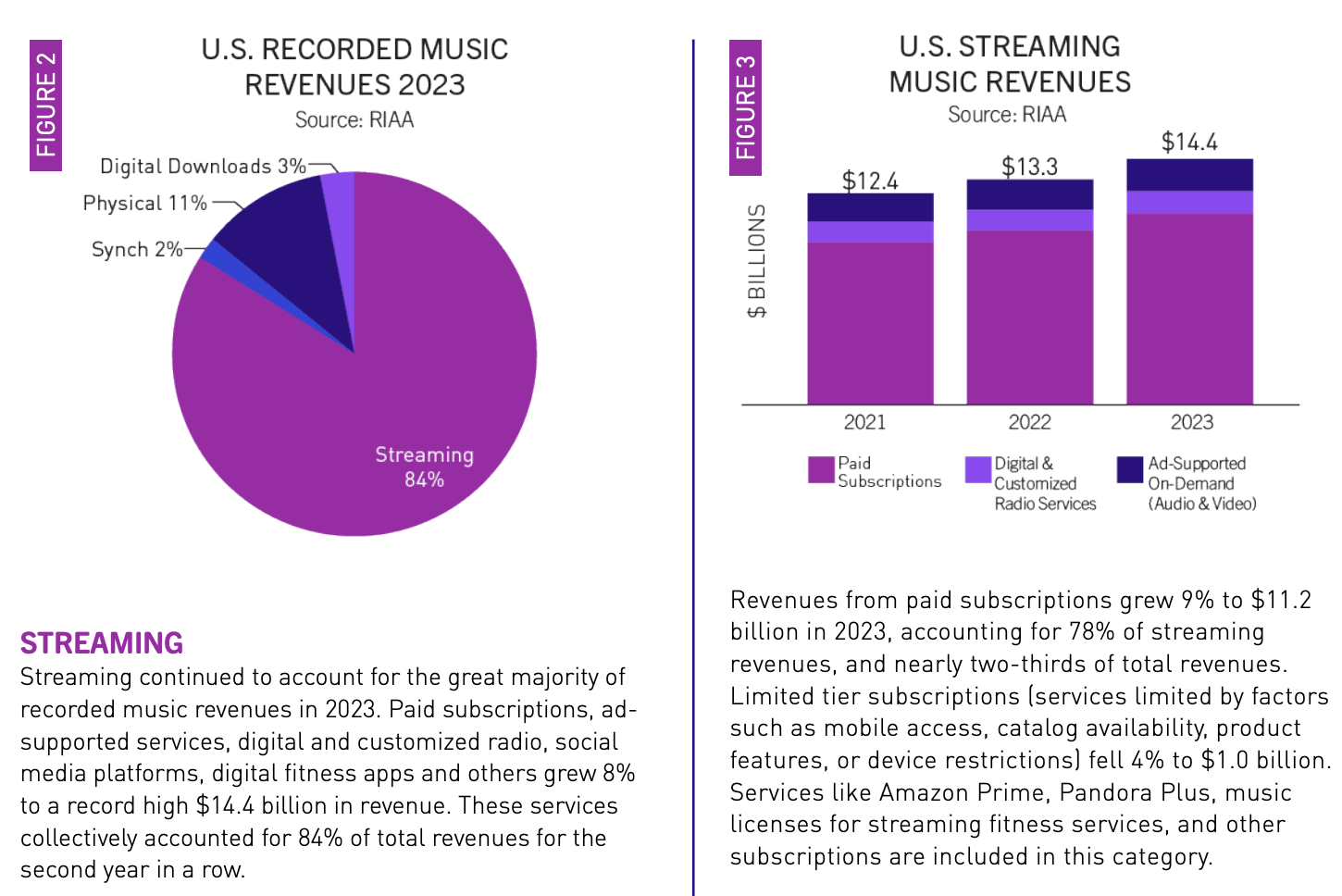
And so, all of a sudden, streaming turned music into a service. A highly successful, lucrative service. Streaming revenues hit $96.8 million in 2023, up 8.9x from 2015 (RIAA 2016, 2018, & 2023).
Music reinvented itself, with a little help from technology; journalism can too.
Digital Music Timeline:
1999: Launch of Napster, Lifewire
2002: Predictions from the heroes: “Music will become like water or electricity” – David Bowie, Fast Company
2003: Steve Jobs introduces iTunes, stating “Nobody wants to steal music. They just want it at a reasonable price.“, referring to $0.99 songs, Rolling Stone interview.
2008: Spotify launches with Daniel Ek’s vision of “Universal Access to Music” ($9.99/month model), see the original slide deck on Slideshare.
The Solution: Unique Digital Identifiers
The music industry’s comeback hinged on control. Ownership, rights, and distribution. Enabled by technology.
Journalism needs a system where every article gets a unique digital identifier – like a fingerprint – to represent proof of ownership and is a ticket to monetise.
Journalists and writers could use these fingerprints to track their work, license it to platforms or publishers, and get paid per use.
Publishers could easily protect their libraries and archives of articles, simultaneously getting paid to license to other publishers or to Big Tech to train their AI models.
Big Tech has a simple, low-cost, legal mechanism to access verified, structured libraries of articles from the entire market of publishers, saving on reputational damage, legal costs, and human-reinforcement training costs.
Imagine a world where you can:
Own Your Work: Identifiers tag your content. Hard proof you created & own it.
License It Out: Lease the rights to different outlets. One article, multiple checks.
Stop the Steal: Track & trace forces pirates to pay or back off. Strong deterrents.
The numbers prove the model: album sales crashed 71% from 2000 to 2015 (RIAA, 2016), but streaming rebuilt the foundations for revenue for the entire industry.
It’s wild that the concept of owning your own work is an imaginary aspiration in 2025…but I digress.
Outro: The Tool to Take Control
Music industry executives saw the writing on the wall, and took action. Despite some initial resistance to adapt, they didn’t cling to CDs forever or litigate into infinity. Steve Jobs built a better way, and they snapped it up quick.
For journalism, the next chapter is already here, the page has been turned: Writers’ Bloc brings you a tool to tag, track, and monetise your work with unique digital identifiers – what we call fingerprints.
Protect your IP, get paid, stay ahead.
Join the waitlist now: https://bit.ly/4jUy50V.
Want to see it in action before you sign up? Check out our 60 second demo here.
Did you know that 93% of journalists have never received payment for royalties for their work from established agreements between publishers and online platforms?!
Are you in the 93% receiving nothing, or the 7%?
For a more comprehensive overview of digital piracy in journalism & publishing, and how you can combat AI stealing your copyright, check out our blog post
Rights, Revenue, and the Race Against Time: The Silent Heist You Never Heard Of.